Showing posts with label norton conyers. Show all posts

Sunday, 20 October 2019

Harvest - September 2019


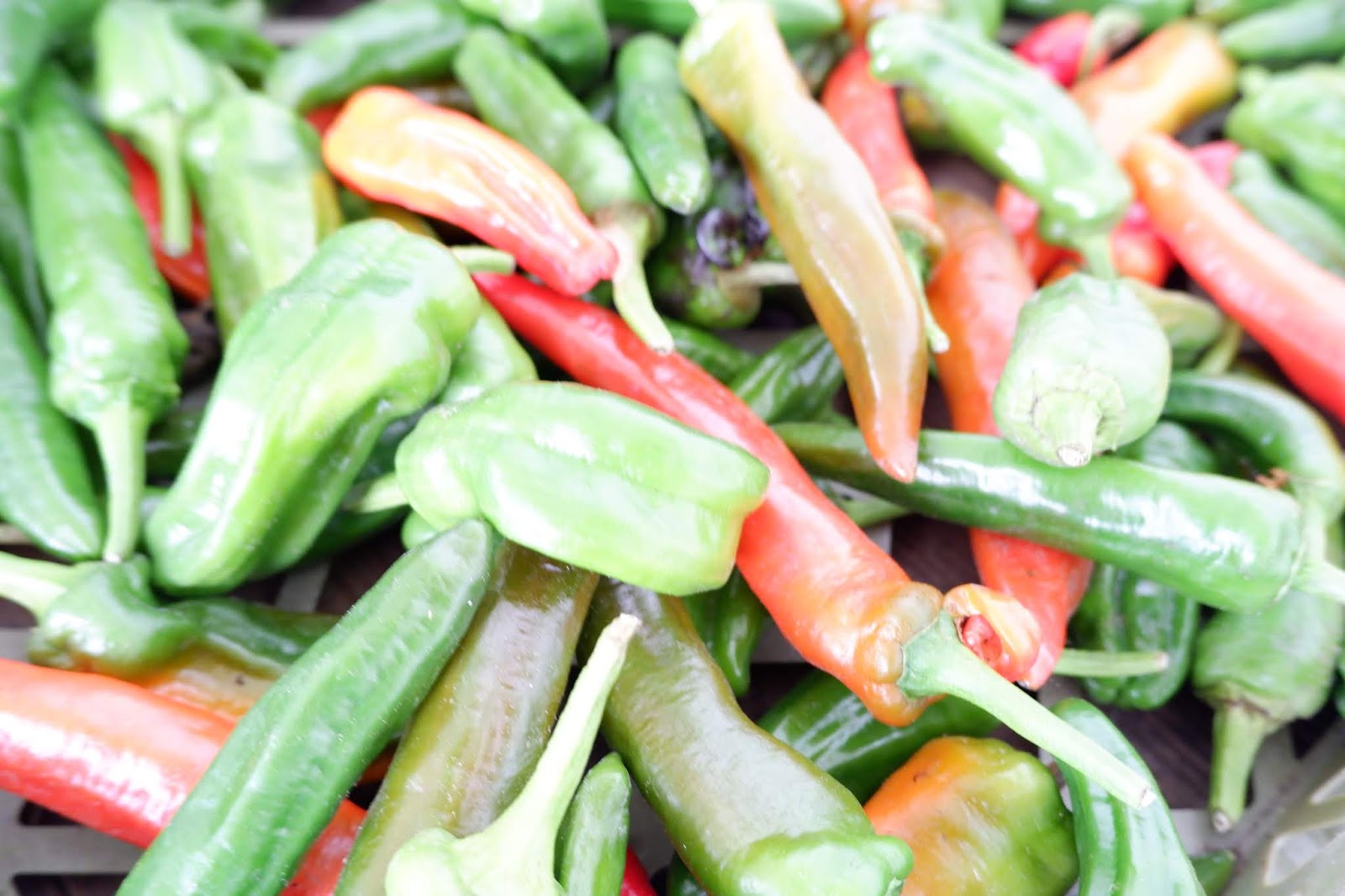
I'm writing in mid-October. The majority of the produce of the garden has been harvested, and apples are being juiced. Pumpkins are on the shelves in the apple stores, onions hanging on string, chillis stored in baskets.

But Autumn always starts for me with the arrival of Cyclamen Hederifolium outside the gardens - the pale magenta flowers reaching out of the earth. We first catch a glimpse of them towards the end of summer. Not only do they herald the beginning of a new season, they are also a promise of colour and beauty all year round.

Cyclamen Hederifolium

Fencing

Newly-installed Gate

Early September, and with the gate now installed outside the stableyard, fencing was to be installed in the car park. The former 'Pony Paddock' sits next to a sheep field. By installing the new fencing,  sheep would be able to graze the land to the side of the car parking area and so minimise the necessary maintenance of this area.

Many of the support poles had already been installed during the previous week, but Giles had me digging a large hole for one of the end posts.
Fencing Installation


Juicing


In my absence, apple juicing began in September, and carried on into October. Using traditional equipment and pressing methods, the apple juice produced combines many of the garden's different varieties, including Discovery and Beauty of Bath.


The Colours of Autumn

Autumn is usually associated with dull browns and greens. Although the palette of colours is more limited at this time of year, the fruits of harvest still offer great vibrancy and interest - pale green apples dappled with red; glowing tomatoes; shining purple and brown paper bag onion skins.


Squash 'Crown Prince'


'Gardeners Delight' Tomatoes


The Dahlias also continued to provide a stunning colour contrast well into October.


Dahlia 'Sean C'

A Scent of Whisky


In mid-October, I was tasked with driving the dumper truck to Keepers Cottage. There, I shovelled a heap of bark (some trees had recently been felled), before transporting it to the berry garden. The wood chippings were shovelled around the base of the raspberry plants. This will improve drainage and deter weeds. Steam rose as the moist bark was uncoverred, and a gentle scent - a little like whisky filled the air.


With the clocks about to go back, there will be some cold, wet days ahead in the gardens. But with the change in the seasons comes new interest and activities.


Wednesday, 28 August 2019

Summer's End - August 2019


Summer's End


As July proved to be a month of contrasts, so the unpredictable weather continued throughout August. Rain aplenty and a couple of miniature heatwaves!
The end of summer always seems to roll around quite unexpectedly as we're left to slowly mourn the loss of the warmer weather and vibrant colours of the garden.

On the south side of the stableyard, there is a passage which leads towards the fields beyond. In years gone by, people could walk through the gate and into this land. However, escaping livestock rendered the need for a wire fence to be erected around the perimeter - blocking the gateway in the process. A new gate was installed last year to replace the existing perished one, but the entrance was still blocked by the wire.

Only now has there been a suitable opportunity to remedy this. Giles set me to work digging four (deep!) holes in which to install huge wooden poles. Two of these would be installed next to the wall, and the others adjacent to provide a passage between the wire fence and the gate. The holes were dug and the following week, the poles installed - ready for the fencing to be altered.

Before...


After

The earth was tough to break through and I was glad of the offer of help from Alan who helped me to finish off the holes to Giles' satisfaction.

Elsewhere, the grass was being cut - in and around the garden - and the meadow in front of the house was having its annual trim - a big job! Whereas last year, the dry weather had made this job much easier, this years' wetter weather made the grass harder to cut and more effort was required to rake it too.

I joined the effort in the afternoon, raking the damp grass into piles and taking it away to the woods in the dumper truck.


Although they are fading now, many of the garden's most vibrant summer hues were seen in August, with Antirrhinums and Agapanthus adding colour and form. 


Agapanthus
Antirrhinum

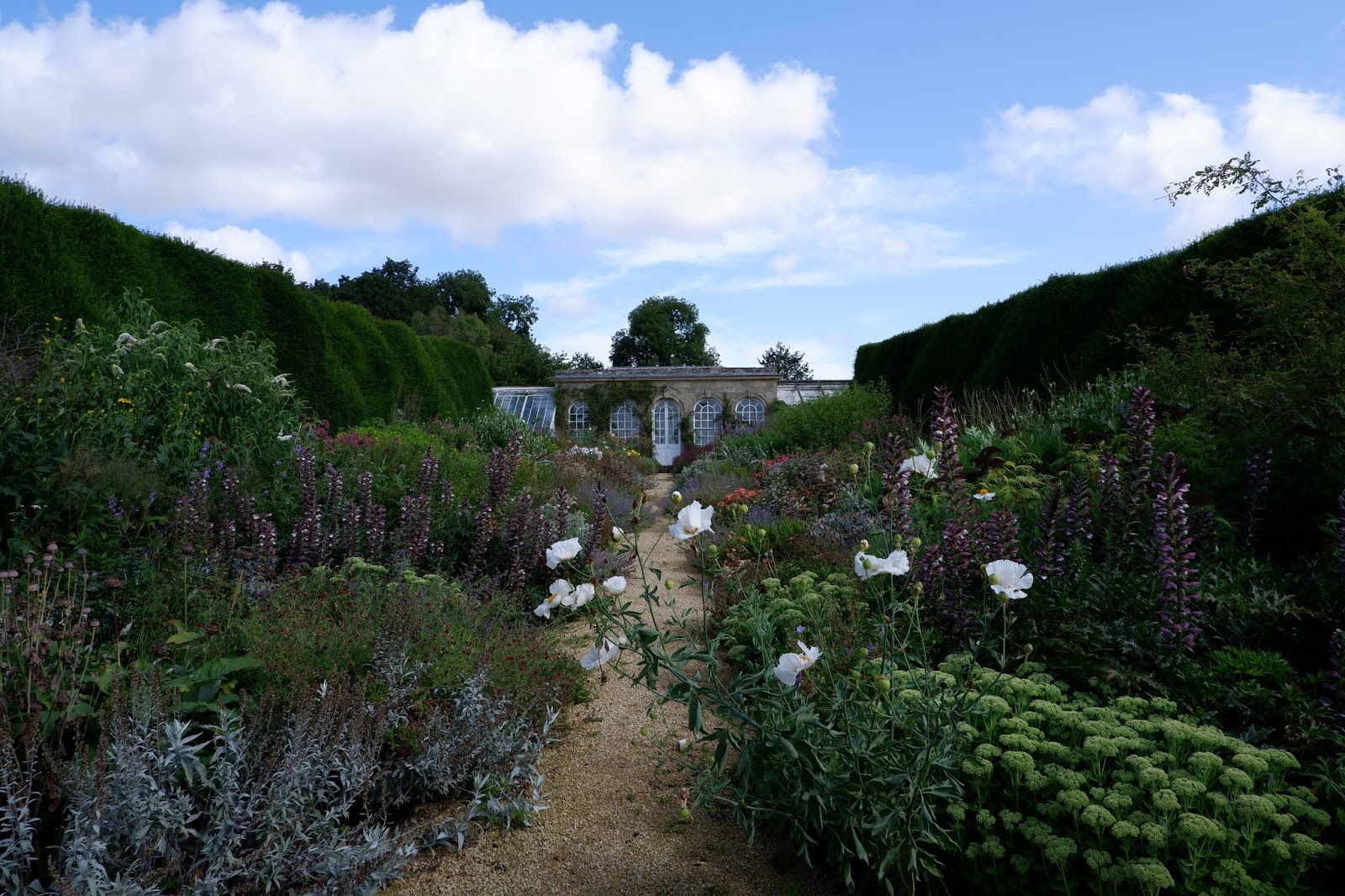
The main border overflowed with plant life - more subtle tones now on display. 'Bears Breeches' (Acanthus) are a particular favourite of mine at this time of year - with its towering structure in purples and greens - its leaves smooth and spiky.
Acanthus can be seen in the middle of each border


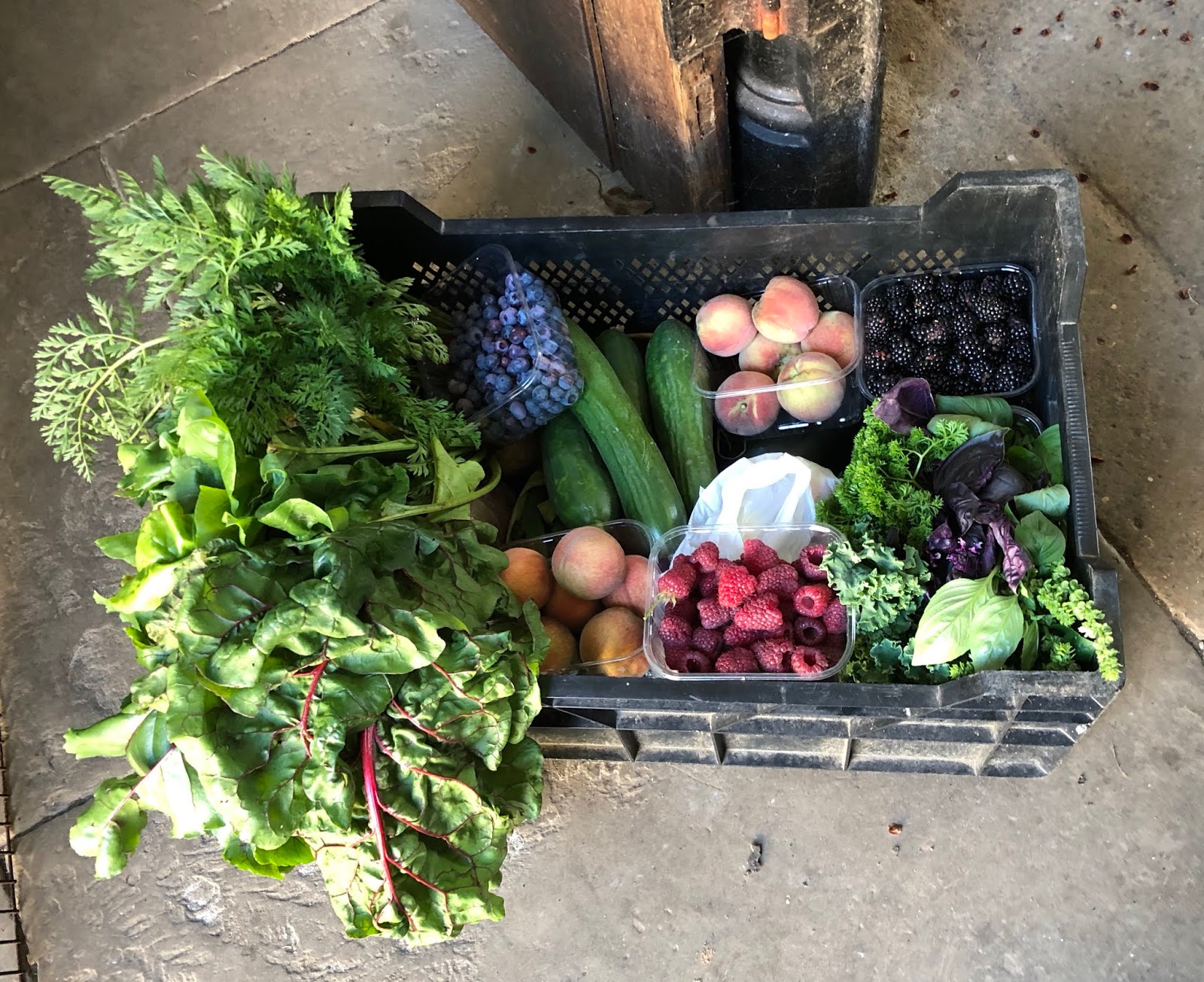
Fruit and vegetables continued to be harvested throughout August, with a particularly varied basket of goods being put together to take to the house.
But as the summer raspberries and loganberries bore their last fruit, it was time to cut back dying plants before tying in new growth. It is a satisfying (but prickly) job!


And as August progressed, the focus shifted towards cutting back, with bushes being pruned and annuals being uplifted.

As the cooler months progress, so there will be more opportunities to develop the garden further for next season. In September, we all look forward to Apple picking and juicing! 

Saturday, 20 July 2019

Colour and Form - Norton Conyers, June 2019


June at Norton Conyers began with a fanfare of colour. Having been ‘split’ two years ago, expectations were high for the irises. And they bloomed in florid abundance.
The timing was perfect too - with the gardens opening for the National Garden Scheme on June 2nd; visitors enjoyed them at their very best.


The June British weather was kinder on the garden this year. Mid June 2018 marked the beginning of a long summer heatwave; it will last long in the memory for many. However, so far in summer 2019, the weather has struck a kind, nurturing balance – a mix of coolness and warmth; clarity and cloud; sunshine and rain. Unremarkable, yet generally pleasant weather by all counts. 

Whilst mowing was brought to a halt for a number of weeks last year due to the dry ground and slow grass growth, so far this year the lawnmower has not been out of action. A weekly trim has been necessary to keep the lush, verdant grass tidy and neat. So, it’s taken up much of my time this month!


But, as the summer months progress, the fruit and vegetable gardens demand increasing attention. With potatoes, onions and peas among the vegetables already planted at the beginning of June, the rest of the vegetable plot needed preparing – earth weeding and turning. 


Preparing the vegetable borders

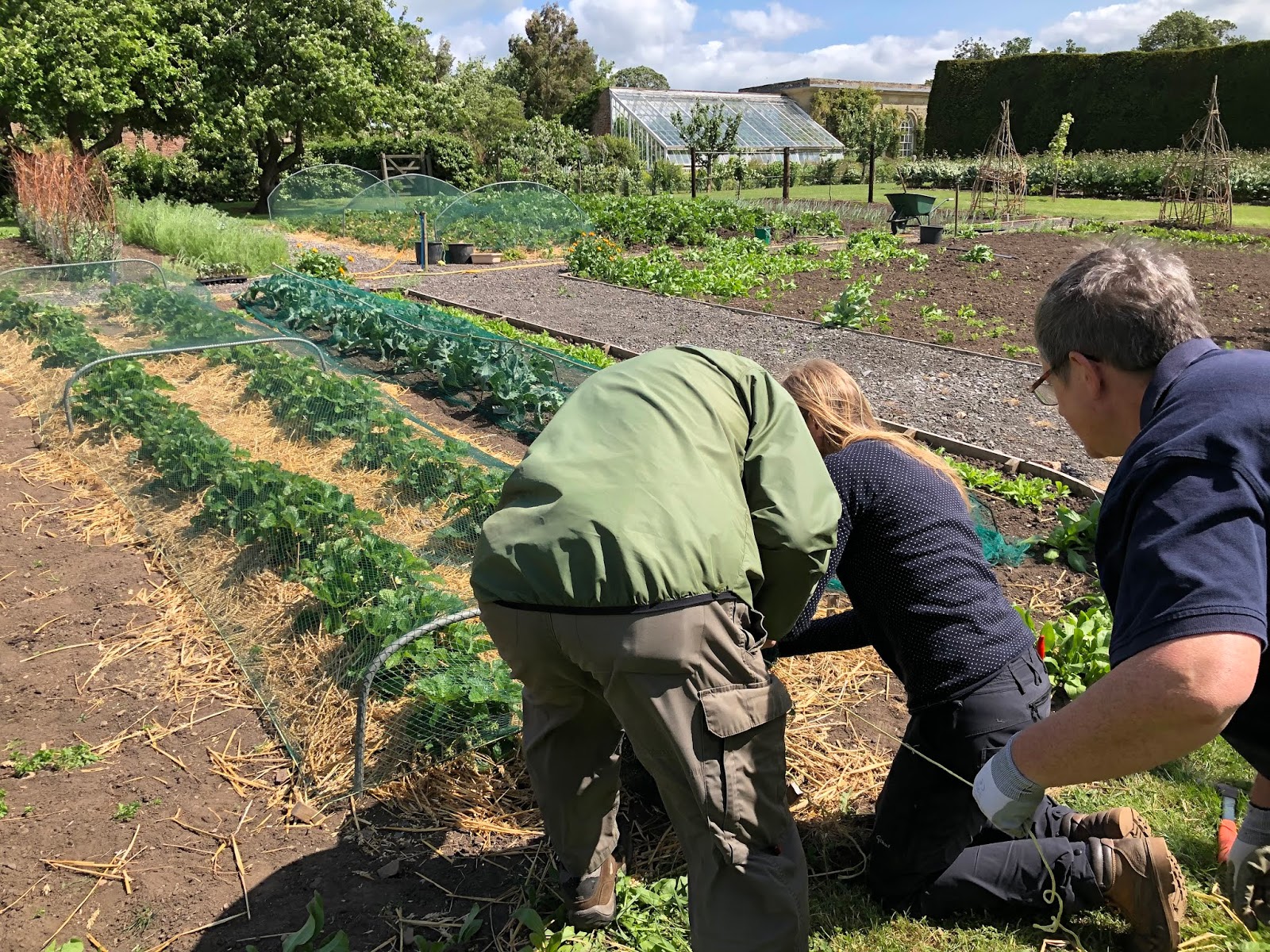
And with the strawberry plants beginning to bear fruit, nets were placed over them. It was a windy day to do so!

Installing nets over the strawberries - 'a job that should only take a few minutes...'

Supports were raised carefully over peas and broad beans – an intricate undertaking.


Elsewhere in the vegetable gardens, African marigolds were in bloom – their simple structures studding the borders with vibrant colour (and attracting pollinating insects in the process!)

Marigolds

Nigella flowers are a personal highlight. The flower's shape and structure is beautiful in its intricate detail; with multi-layered petals and curled stamen, they appear as intricate pastel blue fireworks.

Nigella


Elsewhere, berries were filling out and emerging from their camouflage, with redcurrants making the gradual change from green to pink; pink to rose; rose to ruby.

Ripening Redcurrants

Poppies and paeonies made their presence known in the garden, with pastel pinks and reds; poppies, with their tissue paper petals, and paeonies opening with wavy, sea anemone centres.
Poppy (Papaveroideae)

Paeony (Paeonia)


A particular species of foxglove captured my attention. With snow white, velvet pocket petals, lined with flecked magenta, buds unravelled, as though in construction of an ivory tower.

Foxgloves (digitalis)


In the greenhouse, the perfect culinary partners – tomatoes and basil were beginning to grow.

Basil and tomatoes (growing against the wall)

*

Whilst much of my Monday mornings were spent mowing, in the afternoons I was often sent to the lakeside with the strimmer to attack Himalayan balsam (Impatiens glandulifera) - also known as 'Jumping Jacks'. The distinctive, tall plant - with its explosive seed pods and pink flowers - is an invasive species. Introduced to the UK in 1839, if not controlled, the plant can spread prolifically and smother other vegetation. With new trees planted earlier in the year, this problem plant needed controlling. 

Himalayan balsam (Impatiens glandulifera)

Strimming back the balsam before the seed pods have the chance to mature stops the plant from spreading further. However, there was lots of it to tackle! By the end of June, Giles and I had cut back thousands of the plants, but there was still more to do.

Giles says that we’ll have to cut back the balsam every year, and that there will be a substantial reduction in the number of plants in just a couple of years. 
We’ll have to return to cut back new shoots of growth later in the year.

*

With glorious colours and extraordinary forms emerging in the gardens, we look forward to the fruits (and vegetables) of our labour ripening for the picking in July. Visitors are welcome to come along and pick their own too! 

The gardens are open 10am-4pm on Mondays and Thursdays throughout the year, and both the House and Gardens open on specific days in August and September.

For more information, visit http://nortonconyers.org.uk/opening.html


Monday, 13 May 2019

The Transience of Nature - April 2019


April 1st 2019 - Norton Conyers gardens looked very smart with its newly-laid gravel paths.
Having witnessed the subtle emergence of Spring colours in late February and March, the season was now in full flow - the speed of change accelerating.

The month began with weeding the vegetable garden, and removing the remaining crops from last season. After hours of painstaking work, it was ready for planting - a blank canvas once again.


In the afternoon, Sharron and I attended to the garden's hazel supports - most of which are in the main border. Repairing and strengthening these structures is a painstaking, yet therapeutic task; weaving the branches requires both delicacy and intricacy, but the process also comes with a great deal of satisfaction. Here, I am once again led to draw a comparison with a blank canvas. The hazel supports stand strong and skeletal over winter; in Spring, the 'colouring in' begins as verdant growth emerges from the earth. Over the course of the seasons, the supports are completely overwhelmed by nature, and cannot be seen. They are the bare bones on which many plants in the garden grow.


It was a joy to walk around the gardens at leisure today. Although every example of 'beauty' and 'perfection' quickly shifts, this transience of nature is to be celebrated.

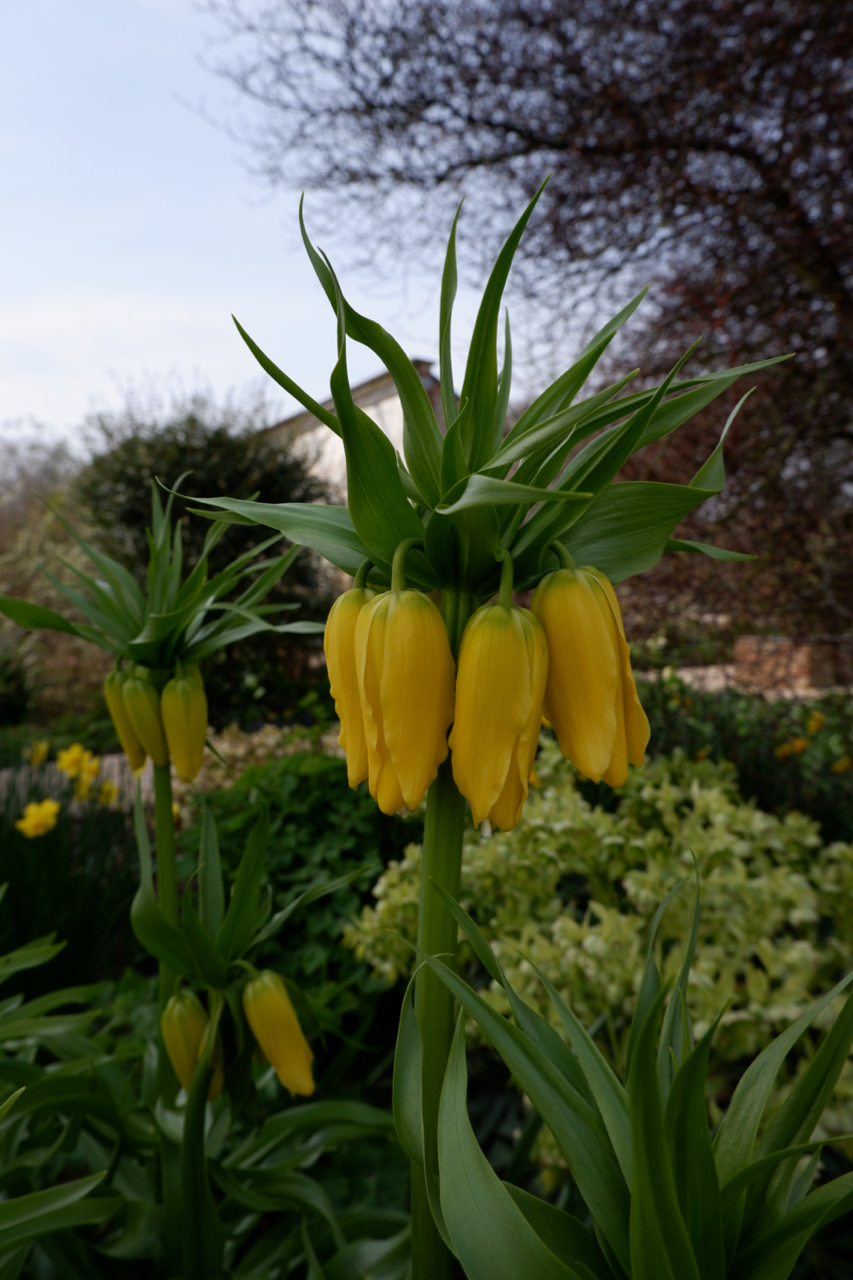
My personal favourite plant at this time of the year is the stunning Crown imperial (Fritillaria imperialis). With its many bright, drooping flowers, and 'crown' of spiky green foliage, this plant brings exotic ecstasy to the borders in which it briefly blooms.


Crown imperial (Fritillaria imperialis)


There is also something special about the humble Primrose (Primula acaulis), which flowers in a most understated fashion. Its gentle beauty and pastel hues provide unexpected charm throughout the garden.


Primrose (Primula acaulis)


Among many other highlights this month were Spring Snowflakes (Leucojum vernum), (which bears a strong resemblance to snowdrops - except the petals are green-tipped and more pointed) and the beautiful white apple blossom.


Spring Snowflakes (Leucojum vernum)


Apple Blossom

*

I was most confused when Giles mentioned the use of a 'Wacker plate'. I wondered what this contraption might be and how it would be used. Either way, I would be using it.

And so the (extremely heavy) machine was lifted onto the ground outside the entrance to the garden. It had the appearance of a lawnmower, but with a completely flat base. A Wacker plate!


Wacker Plate!


Throughout the course of the day, Bex and I used this machine to flatten the path by compacting the gravel. It was a slow and noisy process, but the result provided a smoother, more serviceable surface.


*

With a wedding in the gardens in early May, mowing would be a regular activity. The expanse of lawn on the east side of the garden would require mowing by hand and the cuttings would have to be collected! A time-consuming business, but extremely satisfying.


*

As some flowers (including daffodils, Spring Snowflakes and Crown imperials) withered, so fresh life continued to emerge; mute purple hostas broke through dead earth; peony stems reached towards the sky in rigid exultation; fern fronds unfurled their verdant coils.


Hostas


Peonies


Fern


Sweet William (Dianthus barbatus) had also begun to emerge. Being a cut flower, it is important to provide support at an early stage to ensure strong, upright stems. To this end, Alyson and I assembled a frame of Willow. I always look forward to the Sweet William's dainty 'fireworks' of colour.

Sweet William (Dianthus barbatus) supports


*

April also saw the colour of the irises begin to emerge; the plants tease with their deep purple and yellow buds. We are expecting great things from the iris borders this year; having been divided two years ago, the flowers are expected to be at their best this year!


Iris Border


And with Dahlias now potted up, there is much to look forward to in the gardens. But, if the last month has taught me anything, it is to savour every moment, and to enjoy and appreciate every flower; without consciously appreciating the garden at each stage of its development, one always runs the risk of missing out on something truly special. Therefore, it's so important to 'keep up' with nature by paying close attention to its cycles of growth, fruition and death.